Skip to content

Posts from the ‘Food’ Category

Music+Art+Mezcal=Fun

A tremendous thanks to all of you who stopped by Sub-Mission Gallery this past Saturday for our Music.Art.Mezcal. extravaganza. It was a dream come true to organize an event like this. For me, I can’t imagine mezcal existing in a vacuum without music, art and food to accompany it. It’s personal for sure and goes back to that moment in time in 2003, in the panteon in Oaxaca, surrounded by Dia de los Muertos altars, banda musica, dancers and a bottle of mezcal being passed around.

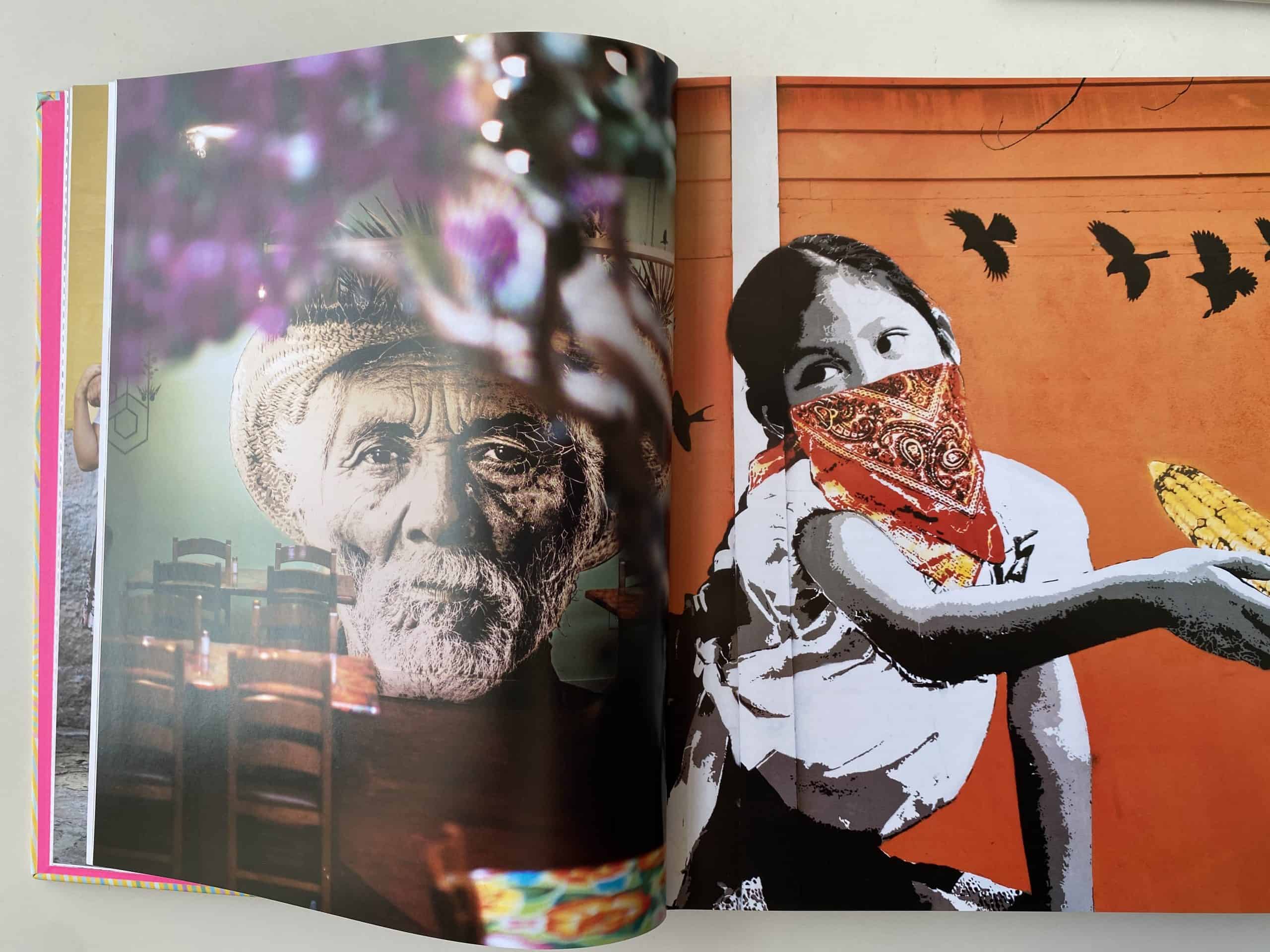
Of course a huge thank you to the artists whose work adorned the walls: Calixto Robles, Joaquin Newman, Txutxo Perez, Lapiztola Stencil, Yescka, Lorena Zertuche, Viet Chévez and Knut Hildebrandt. All of the art is for sale, so if you see something in the below gallery that catches your fancy, let us know and we’ll connect you with the artist!

We were also blessed with delicious mole and empanadas from Soul Cocina and a mezcal mocha banana creme brulee from The Creme Brulee Man that was heaven on earth.

Max and I had a great time talking mezcal, sharing the stories (and tastes) of mezcal from Don Pedro Garcia, Reyna Sanchez (Reinita) and Mezcal Tosba.

Check out the great photos that hopefully capture the energy of the night. There is something potent and magical about the combination of food, art, music and mezcal. We are hoping this is the first of more – and in fact, plans are underway for another extravaganza at the end of July.

Again, thanks for such a fun night!

Art by Yescka

Art by Yescka

Photos by Knut Hildebrandt

Photos by Knut Hildebrandt

Los Magueyes by Lorena Zertuche

Los Magueyes by Lorena Zertuche

Photos by Viet Chévez

Photos by Viet Chévez

Lapiztola Stencil

Lapiztola Stencil

El tigger by Lapiztola Stencil

El tigger by Lapiztola Stencil

Art by Joaquin Newman

Art by Joaquin Newman


Max talking mezcal

Max talking mezcal

happy attendee

happy attendee

IMG_0313

Admiring the art

Admiring the art

Txutxo Perez

Txutxo Perez

IMG_0383 IMG_0387

Food by Soul Cocina

Food by Soul Cocina

IMG_0463 IMG_0489

Mezcal Tosba

Mezcal Tosba

IMG_0509 IMG_0510 IMG_0515 IMG_0526 IMG_0533 IMG_0539 IMG_0542

Lorena Zertuche and her wall of Los Magueyes

Lorena Zertuche and her wall of Los Magueyes

IMG_0559 IMG_0602

DJ Ricardo Ibarra of Radio Indigena spinning tunes

DJ Ricardo Ibarra of Radio Indigena spinning tunes

IMG_0613 IMG_0622 IMG_0692 IMG_0698

Yescka and friends

Yescka and friends

IMG_0747 IMG_0769 IMG_0774 IMG_0844 IMG_3763 IMG_3770

Art by Txutxo Perez

Art by Txutxo Perez

IMG_3785

Art by Txutxo Perez

Art by Txutxo Perez

Stencil by Lapiztola Stencil

Stencil by Lapiztola Stencil

Mezcal photo wall by Knut Hildebrandt

Mezcal photo wall by Knut Hildebrandt

T-shirts by Yescka

T-shirts by Yescka

Mezcales Don Pedro y Reinita

Mezcales Don Pedro y Reinita

Artist Calixto Robles and his daughter

Artist Calixto Robles and his daughter

Jaguar y Magueyes by Calixto Robles

Jaguar y Magueyes by Calixto Robles

Art by Joaquin Newman

Art by Joaquin Newman

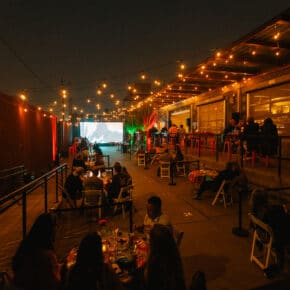
The patio at Sub-Mission

The patio at Sub-Mission

The chefs

The chefs

IMG_3882 IMG_3900 IMG_3906 IMG_3919 IMG_3928 IMG_3949 IMG_3963 IMG_4006 IMG_4019

An impromptu chat at Zandunga

There are so many reasons to appreciate Bricia Lopez  – knowledge of mezcal being reason number one. Number two is her generosity in connecting me with her friends in Oaxaca – in this case photographer and incredibly fun Omar Alonso. We met for lunch at Biznaga and got to know one another. After food, beers and a mezcal or two, he took me next door to Zandunga to check out their mezcal collection and to meet one of the owners, Marcos Toledo. Zandunga is an interesting restaurant that specializes in Istmo style cuisine that incorporates dried shrimp, fish and vinegar in many dishes. The flavors are distinctly different from the food generally found in the centro.

And what a mezcal selection! I focused on tasting mezcals from the brand Espirituoso, two of which came from Michoacan (a pechuga made from deer and agave azul and a cenizo maguey), the third from Miahuatlan de Porfirio Diaz (an espadin, madrecuishe and bicuishe blend). They were all delicious but I have to say, the pechuga blew my socks off. Its flavor was completely different than anything I have ever tasted – so meaty and savory.

But it was the conversation with Marcos that was the highlight. We talked about the changing market of mezcal and the transition of restaurants gravitating toward pouring brands and away from house mezcals. It seems a crackdown on regulations and certifications is driving this change – with mezcalerias in Mexico City being closed for serving unregistered mezcals (mezcals that are not officially registered as a business.) He thinks it is only a matter of time before this starts happening in Oaxaca and plans on shifting to official mezcals in 2013. Next year is also when the new law comes into effect requiring all of these producers to have registered businesses in order to sell their product in the market.

Marcos and Susan Coss

A lot of it comes down to taxes, and making sure that everyone is paying – which in the case of mezcal can be 60+ percent on each bottle. Not only do costs go up for restaurants, bars, stores, etc, but also for the patrons. It also means potentially limiting the market for small producers who usually do not go through the long, laborious and expensive process of creating an official business, and who sell direct (house mezcals).

Celebrating Pierde Almas’ pechuga in Chichicapam

I had the extreme honor of being invited to a party to celebrate the release of Pierde Almas’ new pechuga. It was held at the palenque in Chichicapam where, last year, I had attended another party and well, we’ll just say, consumed way too much mezcal.

This year’s party was more formal, with tables covered in white linens and food prepared by the chef from Oaxaca’s Pitiona restaurant. A pig was being roasted, and a special salsa was being prepared from the fruits used in the pechuga’s distillation. It was also a chance to meet Jonathan Barbieri, the owner of Pierde Almas, and to hang out with the brothers Sanchez, who make the mezcal. There were also several importers, and much to my surprise, Josh Harris, from Bon Vivants in San Francisco. He and I have exchanged emails, but never have met in person.

Miguel Sanchez overseeing the conejo

In addition to this year’s pechuga (a heady combination of spice, sweet and just a smidge of savory) there was also a new mezcal that had been made with the traditional gin herbs in its third distillation. I am not a gin drinker so my best evaluation is that it tasted exactly like gin has always tasted me (cloying), with an undercurrent of a strong espadin.

There was a band playing as we ate. I sat at the table with Miguel Sanchez and Domingo Orollo who is overseeing the gin mezcal project. He was involved in the creation of Del Maguey’s Vida and is a chemist by trade. This is a growing trend – more chemists becoming involved with mezcal production.

I was driving that day, a deliberate choice to ensure there would be no repeat from last year’s drunken revelry. It is a running joke between Alfonso and I – that after last year’s insanity, and my mother’s presence, that she has forbidden me from ever drinking with him again.


Prepping the hare

As the sky began to darken, we moved from one part of the palenque to another where the stills are located, in order to watch Alonso start the process of distilling this year’s conejo (a pechuga, except with a wild hare instead of a turkey.) We watched as Alfonso measured out the spices (a turbinado style sugar, anise), fruits (apple, banana, pineapple), rice and then finally the hare placed in a cheesecloth bag with yerba santa. The fermented maguey was loaded into the still, along with the other ingredients (the conejo bag would hang above the mix) and then sealed. It would distill all night long.

Alfonso Sanchez measuring ingredients

The music began again, more people arrived, including La Señora Sanchez and the other female relatives – sisters, wives, nieces – and we danced. Finally we left so as not to be on the road too late at night. We gave Domingo a ride back to the city, talked more about chemistry in mezcal, and the plans awaiting us that night (Austin TV at Café Central or La China Sonidera at Txalaparta.) Perhaps the best part of having Domingo in the car with us was having him navigate the new highway (the one that will eventually go all the way to Puerto Escondido) that circumvents Ocotlan and cuts the return time almost in half. It puts you on a road that has reflector lights, a smooth surface and is blissfully free of topes.

A day with Don Pedro Garcia

I’ve written before about Don Pedro Garcia, a palenquero based in San Dionisio Ocotepec, and over the past year it has become an incredible experience to develop a friendship with him. So of course heading to San Dionisio was top priority as soon as I got to Oaxaca.

It was an early Saturday morning when we piled into the car to go see him – three Oaxaqueñas and myself.

It was December 1st, the same day Enrique Peña Nieto (EPN) assumed the presidency here in Mexico. There were rumors of potential roadblocks, hence our early departure to try and avoid any problems. We stopped first at the market in Tlocolula to pick up supplies for the comida were going to cook him in honor of his birthday – tasajo, chorizo, chiles, cecina, tlayudas, cebollitos, aquacates, the usual fair for a simple meal. We had of course assumed there would be a grill.

The conversation in the car was filled with politics and news of what was happening in Mexico City. The road was particularly quiet and, despite the occasional pinche topes, in far better shape than it had been last April. The sky was unusually cloudy, and there was a crispness in the air and the smell of wet that made me think it might rain despite it being the dry season.

Our makeshift grill

Don Pedro was sitting quietly in his palenque when we arrived, watching the TV coverage of EPN’s speech. The still was fired, the table cleared and cleaned, 4 glasses set (Don Pedro rarely drinks) and chairs arranged. There was no grill so we began concocting a makeshift area by the still – piling hot coals so we could start roasting the chiles. We did eventually find a pan and a rack to place the meat and cebollitos on. Conversation ranged from catching up on the news to the rising costs of maguey and, of course, love. Don Pedro loves to tell stories of love found and then lost. He happily held court – I can’t imagine the last time he entertained four women in his Palenque.

Roasting chiles in the coals.

Ana, Mariana, Marisol and I each put ourselves to tasks – cleaning the roasted chiles, cutting aguacates and limon, turning the meat until finally it was all done and we sat down together to eat and drink and share more stories. We toasted his birthday, though we still have no idea what his actual age is – 60, 65, 70. His eyes are deeply set, and a sharp chocolate brown. His beard is more gray than black. On this particular day, it was more neatly groomed than I had previously seen – but then again, he was entertaining.

He chastised me briefly for not calling more often. I spoke of my sister’s death, my looming guardianship of my 8 year-old nephew. He spoke of life and death, and mentioned once more, that once he dies, so does his mezcal. He has no children and no one to take over the operation once he is gone.

Susan cooking on the still

Raindrops fell briefly on the aluminum roof, the air cooled more, and we sat in silence for several minutes, letting the meal settle, the mezcal make its way down our throats.

What does mezcal mean to Don Pedro? We listened as he began talking again, reflecting on the sadness of life sometimes, and the bad times. And how he saw his mezcal as a cure for that – a way to take away those things and bring some joy back. Medicine for the soul.

I am excited to have his mezcal at a quickly arranged tasting here in Oaxaca, to have him on the terrace at Café Central where he can share his stories with more people, and they can come to love and appreciate him, and his mezcal, as much as I have.

Fresh mezcal

Cheese and mezcal oh my!

I am a cheese addict – one could say it is like crack for me. The mere suggestion of doing a cheese and mezcal pairing, well it sent shivers down my spine. It doesn’t seem like an obvious pairing, but when you think about how well whiskey or scotch pairs with cheese, this is really just a natural extension.

We had a chance to crash a casual exploration of this combination last night at Mosto. Raza Zaidi of Wahaka Mezcal provided the mezcal and Kirstin Jackson of Solano Cellars and the blog www.itsnotyouitsbrie.com (she also has a book It’s Not You, It’s Brie: Unwrapping America’s Unique Culture of Cheese,” publishing in November) brought the cheese. We set up shop at the dark, back corner booth, drawing the immediate attention of the very loud (and yes, drunk) birthday party sitting next to us.

Nine cheeses and five mezcals, and a few Victorias were spread across the table.

The cheeses: Creameax de Citeax, Bent River, Mirabelle, Oma, Tomme Bruleé, Pecorino Foglie de Nocci, Bayley Hazen, Cabot Clothbound Cheddar from Jasper Hill and queso fresco with ate membrillo (generally quince, occasionally guava, paste)

The mezcals: Wahaka’s Joven Espadin, Reposado con Gusano, Tobala, Madrecuishe and the Ensemble (Espadin, Tobala and Madrecuishe blend). Note – we’ll have a full review of the line next week.

We first went through the mezcals to get a sense of their flavors, and then Kirstin went to work to try and pair up the different cheeses with the different mezcals. It was an interesting and tricky work determining which of the tangy, pungent, musky, sweet cheeses contrasted best with the mineral, earthy, hot, smokey flavors of the mezcals.

Not surprisingly, the cheddar and the pecorino paired well with all of the mezcals.  We assumed that the salty pecorino would pair well given the known flavor match of salty and spicy flavors with mezcal but the the big aged cheddar’s performance was a nice surprise.  The strong body brought out the brine and mineral flavors in the mezcal.   I liked the Creamean with the Madrecuishe because there’s something about the tangy triple cream that contrasts with the minerally/green flavor of the mezcal. The Tomme with the Joven totally brought out the heat in the mezcal, and the queso fresco with the ate brought out an amazing caramel flavor in the Resposado.

The tasting sparked quite a few dreams of other pairings.  One conversation decided that Parmeggiano just wouldn’t stand up to mezcal while another affirmed that Manchego and Gruyere would probably pair exceedingly well.  Which is to say that we look forward to expanding the range of the tasting soon.

A Taste of LA with mezcal

It was a whirlwind Labor Day weekend in Los Angeles at the Taste of LA held in Paramount Studios’ sprawling old New York back lot. It felt very much like a street festival with potholes and cracked sidewalks which ensured that the high heeled crowd had to tread carefully.

I missed the first session, a Field to Fork extravaganza, but hit the Cocktail Confidential program full force. The plan was to talk tequila and mezcal along with Bricia Lopez at the Taste of Mexico’s Hoy Café spot but on occasion the best laid plans are pushed aside when the drinks are flowing and conversation is bubbling along non-stop.

LA is a mezcal town, people get it, there is no question in their eyes when you say the word. The experimentation in restaurant kitchens and bars is a normal expectation.  Father’s Office showcased a to-die-for Bloody Maria made with mezcal and kimchee while Crème Caramel LA debuted its Kalamansi (a Philippine lemon) Mezcal bread pudding Creme Caramel.  But most of all there is excitement about agave distillates. When Bricia cracked open a bottle of the Pierde Almas Tequilina Weber we had to hold back the crowd. It is bold, delightfully smooth, and incredibly delicious.  It’s fascinating to see a mezcal like this made from the agave that’s used in tequila.  Del Maguey also has one on the market, the San Luis Del Rio Azul, as part of its Vino de Mezcal Series so this may be part of a larger trend.   In any case, we are planning our second Pop-up Mezcaleria to delve into the tequila vs. mezcal conversation so we’ll be tasting tequilas and mezcals made from the same agave.   Stay tuned for more information.

There was not nearly enough food on cocktail night to offset the generous pours, so it was amusing that there weren’t nearly enough alcoholic parings for the next day’s Flavors of LA session.  As always,  Jonathan Gold‘s carefully curated restaurant list was fresh and exciting and I can’t wait to return and dig even deeper into LA’s constantly evolving culinary variety show. Fantastic treats like Wurstkuche‘s rabbit sausage, Bulgarini‘s olive oil and salt ice cream, Mo-Chica‘s unagi wrapped by mashed potato goodness, Border Grill‘s taco extraordinaire, and Street‘s sweet potato bhel puri kept the taste buds well stimulated.

Later I listened to the panel discussion of local food trends with Evan Kleiman, Jonathan Gold, Gustavo Arellano, and Sang Yoon.  Who knew chefs and critics of their caliber could make Doritos and Del Taco such interesting conversation topics? I also caught the Mexican food talk that featured the Taste of Mexico chefs covering issues like “authenticity”, the perception that Mexican food needs to be cheap, bringing ingredients across the border (no fresh chiles for one), and regional variations in food influences.

A true highlight of the weekend was meeting Javier Cabral, perhaps the only other person who has equal love for mezcal and punk rock. Oh yeah, and pulque.

And of course there was being able to swim, in an unheated pool, at night, without thought of hypothermia.

A primer on visiting Oaxaca

I’ve been getting a lot of requests recently about what to do when visiting Oaxaca. I love being able to share my experiences because I want people to love Oaxaca as much as I do. Please note that this is by no means a comprehensive list – I barely scratch the surface.

Food

I first went to Oaxaca in 2003 because I’d heard it was beautiful and that the food was amazing. It did not disappoint and I was completely blown away by the street and market food stalls.  Because I am an adventurous eater, and have no desire to suffer consequences from my food choices, I have developed a set of informal dietary rules when traveling in Mexico:

  • Plain yogurt with banana and honey in the morning.
  • Plenty of lime and chili through out the day.  They are common condiments, use them because they make things taste better and there’s some evidence that they may help stave off digestive distress.
  • At least one mezcal every night.
  • If it smells bad (as in rotten) don’t eat it.
  • If it has a peel on it, or is fruit on the street, squeeze lime over it.
  • If you can’t see a water source, don’t eat or drink it.
  • And of course, keep some Pepto Bismol on hand, or, charcoal tablets. It is more for psychological purposes than actual need.

If I could spend my days just perusing the markets in Oaxaca I would. They are chaotic and colorful and odiferous and gorgeous.

Abastos is the main market in the city of Oaxaca.  Go on Tuesdays since there is lots of local produce on the perimeter. In general, buy from the ladies on the floor or the ones without permanent stalls – this will be the most local, seasonal and fresh stuff. Abastos is huge and sprawling and totally overwhelming, and even more so on Saturday, the main market day. Eat at the market stalls – the food is good and it is a chance to try things you never would (like chapulines, the roasted grasshoppers.) Be aware of pick-pockets. It is in a semi crappy part of town so don’t go after dark.

Benito Juarez/20 de Noviembre is the downtown market. Any day is a good day there, and a visit to the carniceria is a must do experience. It’s smoky and the women behind the counters will vie for your attention.  Just pick one and go with it.  First, pick your meat: There is generally the local small chorizo sausages which are no where near as spicy as those found in a standard taqueria in the United Space, a spiced carne asada and a few other things.  Second, pick your sides.  You can choose from salsas, onions, peppers, avocado, radishes, cucumber and nopales to name just a few. Then you grab a table and wait for your food. Did I mention, it is a must do. This exists in every market so just DO IT.

Other favorite markets include the town of Tlacolula on Sunday (see this article for more info) and Ocotlan on Friday. These markets are very local and indigenous and you will have a chance to hear the melodic language of Zapotec.

I am going to go out on a limb and actually name a favorite tlayuda stand  - the equivalent of naming your favorite burrito place in San Francisco. It is located on the corner of Bustamante and Arteaga, just southeast of the Zocolo. La Señora sets up at about 6 every night and goes till midnight. Her lard is divine, her beans are transporting, the hot chocolate amazing and her Chile de Agua salsa is a flavor explosion.

Restaurants are everywhere in Oaxaca. All serve a comida corrida in the afternoon – usually 2-5pm. They are 3-4 courses and cost anywhere from 25-100 pesos depending on the restaurant.

Good restaurants on the higher end – La Biznaga (they also have a great mezcal selection – go for the house mezcals! Stay for the food), Los Danzantes (great for a drink cause it is really expensive, but really really beautiful), La Olla, El Origen and Zandunga (Isthmus style food – good and different.) These are in all the guidebooks. Biznaga is great for micheladas and appetizers. Other good places for comida include La Jicara, Maria Bonita, Gio, Comala. A really interesting place that focuses on heirloom varieties of maiz is Itanoni – it is in Colonia Reforma, a neighborhood just north of the centro. Fridays at El Llano park (also known as Benito Juarez) feature lots of good tacos, et all.

And for you coffee people that cannot live without your espressos and drips there is Lobo Azul. They roast in house with fantastic results. They also have pretty good breakfast stuff and awesome political poster art on the walls.

Night Life

Fun nightlife stuff – Cafe Central (Bar Central) has music, movies, art, dancing and a very mixed crowd. It is my top choice of a nightclub. FYI – Candela, the salsa club, is oft mentioned in the guide books and is total gringoland. Another place is El Olivo. They have a restaurant downstairs, and a bar/terrace upstairs.  Gozobi has a bar with a great roof terrace.  It is on the corner of Garcia Virgil and Allende.  I do not recommend eating there as the food is so-so and a little on the pricier side. The Zocolo is a great place to drink and watch the people go by. Any of the places are fine. Another good bigger bar is Txalaparta. My favorite dive bar is Cafe Mundial.

Mezcal

Now for mezcal. Casa de Mezcal can be fun, but know that they don’t have a big mezcal selection – in fact they only have four. If you want to do mezcal tastings here are three mezcalerias: Los Amantes, Mezcalateca, Cuish. They actually educate about mezcal in addition to doing the tastings. We have a list of the other mezcalerias here, with addresses and hours.  Just know that you’ll need a reservation at Mezcalateca and if you really get interested in the process ask to see if they will take you to the palenque, the place where they distill the mezcal.

Art

For you art people, here are my favorite museums – Museo de Textiles, Museo Alvaro Brava (photos), Cultural Center at Santo Domingo, CASA in San Agustin, and the stamp museum. There is so much good art to be had both inside museums and on the street.

Here are a couple of other links for info about the beaches of Oaxaca, art, and what to do if you only have 36 hours (the horror, the horror!) in Oaxaca. And feel free to email me if you have more questions.

Experiencing Mezcal at Mezcalaria – Part 2

On July 21st and 28th, the quaint neighborhood of Jalatlaco in Oaxaca, Mexico played host to two nights of a mezcal extravaganza called Mezcalaria. Each night paired four different mezcals with four different dishes. Our on the ground Mezcalista Ana J.B. was there.The original Spanish was translated by Alice Groves.

It was a long eight days of waiting for the second Mecalaria event. I couldn’t wait to see what Invigorating and tasty dishes Chef Diaz would create to pair with different mezcals selected by Ulises Torrentera and Sandra Ortiz from Los Amantes, Mezcaloteca, In Situ and Cuish.

There was also the presence of new patrons, and seeing their wanting and expectant faces, anxious to know what this event was all about, made me even more excited. I was ready to truly capture these new aromas and flavours in my mouth.

In this second round of Mezcalaria, the organizers of the event clearly felt more confident, but I never lost sight of their ever present nervousness and preoccupation that everything go according to plan.

It was time to meet new people and hear more about what brought them to this pairing here in the garden of such a magnificent house in Jalatlaco, a cozy neighborhood adjacent to Oaxaca’s bustling centro.  Karina, a young lady from Guadalajara, sat across from me and was accompanied by her Taiwanese boyfriend Oriundo.  They had just returned from a road trip to mezcal country having taken some time to stop in with Don Alfonso Sanchez and his brothers at their palenque in Chichicapam (they are definitely some of the best mezcal producers in the region.)

Chef Jose Luis Diaz plates one of the courses

1st pairing

Mezcal:  Espadín

Agave: Espadín

Producer: Los Amantes

Selected by: Leon Langle

Produced in: San Luis del Rio

This special mezcal from Los Amantes, which has a tasting room just a few feet from Oaxaca’s standout cathedral Santo Domingo, was distilled with lemongrass.  This form of distillation, incorporating herbs, is reasonably common but rarely is distributed beyond Oaxaca or the palenques. Palenqueros can add nuts, fruits or herbs to add flavor and complexity.

Salad of verdolagas (leafy Oaxacan greens) with a ceviche made of mushrooms and tepejilote (much like heart of palm and very regional) soaked in passion fruit marinade, avocado ‘criollo’ (a local variety), pomegranate seeds, and a plantain and chili pepper vinaigrette.

The mezcal was young and while initially sweet had a full bodied, explosive middle and a very bitter lemongrass finish.

2nd pairing

Mezcal:  Bicuixhe

Agave: 50% Cuish (wild maguey) and 50% Madre Cuish (wild maguey)

Produced by: Mezcaloteca

Selected by: Mezcaloteca

Produced in: Miahuatlan de Porfirio Diaz

2nd plate:  Mole coloradito with diced shrimp, bean paste and cheese from the Istmo (or, the Isthmus region of Oaxaca, is about five hours south of the city and host to a very different cuisine.)

The dish was surprisingly sweet, with a subtle spiciness. The delicate seasoning was a little over powered by the strong and earthy flavors of the mezcal.

3rd pairing

Mezcal:  Papalomet

Agave: Papalomet

Produced by: Farolito

Selected by: Ulises Torrentera

The roasted agave was crushed in a tree trunk and then fermented in cowhide.  It was then distilled in a clay tank and has an extremely limited 50 liter production.

3rd plate:  Tasajo beef hamburgers with hierba santa (rootbeer leaf), a guajillo chili pepper sauce, marmalade and fried dandelion leaves

The mezcal was richly flavored with musky hint of meat and filled the mouth and throat with full flavors. It opened the taste buds up perfectly to match with the meaty hamburger.

4th pairing

Mezcal:  Espadín

Agave: Espadín

Produced by: Cuish

Selected by: Felix Hernandez

Produced in: Ixcatlan

Dessert:  Chocolate nut brownie with cuajinicuil (a sweet tropical fruit from the area) topped by a guajillo chili pepper drizzle, diced fresh ginger, and pitiona (a local herb).  It was accompanied by dollops of a ginger fig marmalade. A great combination.

I truly enjoy these types of events that have a very different concept of how to educate people about what they are eating and drinking, and the variety of ways in which local (and primarily organic) ingredients can be used to open the mouth to new experiences. And while I never doubted the success of the evening, I was completely satisfied in the end. I congratulate this great team on putting together such a unique and delicious event. As a good friend of mine says; by sharing the mezcal we all we all come out winners.

Experiencing Mezcal at Mezcalaria – Part 1

On July 21st and 28th, the quaint neighborhood of Jalatlaco in Oaxaca, Mexico played host to two nights of a mezcal extravaganza called Mezcalaria. Each night paired four different mezcals with four different dishes. Our on the ground Mezcalista Ana J.B. was there.The original Spanish was translated by Alice Groves.


It’s hard to believe that in the land of mezcal and food that this hadn’t already happened – a night of four unique mezcals, paired with four unique dishes. But Mezcalaria was something brand new here in Oaxaca. Created by Sandra Ortiz, Ulises Torrentera and chef José Luis Díaz, with the express purpose of promoting small production, artisanal mezcals and talking about it rich cultural history and significance. The team worked with the following mezcalerias to select rare and hard to find mezcals: Los Amantes, Mezcaloteca, Cuish, and In Situ. They were joined by master mixologist Erick Rodriguez.

One of Chef Jose Luis Diaz’s creations

Chef Diaz of El Teatro Culinario rounded out the two nights by creating dishes that drew upon local ingredients and enhanced the flavors of each of the mezcals – drawing out their complexities and highlighting how closely linked the food and mezcal experience is.

Some details on the pairings for the first night evening:

We were greeted at our tables with an hors d’oeuvres called Amuse Bouche – a squash flour stuffed with honey and requesón, a rich ricotta-like Oaxacan cheese, served on a hand made corn tostada.  It was an exquisite taste, delightfully creamy and sweet.

1st pairing

Mezcal: Penc verde

Agave: Penc Verde

Producer: Farolito

Selected by Ulises Torrentera

Produced in San Pedro Totomochapam

Special Edition – 50 liter production

The Penc Verde is a rare wild maguey that requires 12 years to mature.

1st plate:  tepejilote (like heart of palm and very regional), quintoniles y verdologas (local Oaxacan leafy herbs) with salsa de chile guajillo.

The mezcal had an explosive yet woody flavor and its consistency paired perfectly with the flavors of the salad and salsa, leaving your palate wanting more of its unique, herbaceous taste.

The combination of sipping mezcal and nibbling on food naturally causes one’s body and soul to slowly relax. The simultaneously calming, yet boisterous ambiance, further allowed our senses to open and better distinguish the aromas and flavors to come. The energy was contagious and we were all excited and anxious to know what would come next. Diego, my friendly table neighbor seated to my right, and I were completely enveloped by the good vibes and ready for more.

2nd pairing

Mezcal:  Rodacanta

Agave: Agave Mexicano

Producer: Los Amantes

Selected by: Leon Langle

Produced by: Yogama, Ejutla

2nd plate:  Tasajo marinated in chili peppers and lime with slices of cuajinicuil, a sweet, tropical fruit, native to Oaxaca’s coast, neatly placed over a bed of salsa of chili guajillo.

I would never have imagined enjoying this combination, something completely different from anything I have ever experienced in Oaxaca (we don’t usually combine meat and fruit here), but found it to be quite gratifying. After all, this was an evening of experimentation.

3rd pairing

Mezcal: Ensemble

Agave: 70% Espadin and 30% Madre cuish

Producer: Cuish

Selected by: Felix Hernandez

Produced in: San Isidro, Yautepec

3rd plate:  Shrimp topped with Oaxacan chorizo accompanied by refried beans and hierba de conejo (another herb native to Oaxaca), sprinkled with charred onions and slices of chile verde.

This was another combination I would have never thought of in my wildest dreams that went down with ease.

At this point we were graced with the expertise of mixologist Erick Rodriguez of Alma Mezcalara in Mexico City who refreshed our throats with a cocktail of basil, pineapple and mezcal.  This was very refreshing and we recommend it highly. The mezcal cocktail culture is new to us Oaxacans– we have a long history of drinking it neat so it was a very pleasant surprise.

I found myself so elated by the combination of flavors I have known all my life but in a way I had never tasted giving me the feeling that I would finish this tasting feeling like a Oaxacan who is no longer from Oaxaca.

4th pairing

Mezcal:  Arroqueño

Agave: Arroqueño

Producer: Mezcaloteca

Selected by: Mezcaloteca

Produced in: Santa Catarina Minas

The Arroqueño maguey takes 18 years to mature. It’s wild, reasonably rare and one of the more prized agaves. It was crushed by hand, rather than by the usual tahona stone mill.

Dessert:  Truffle of chocolate flavored yolk bread drizzled with basil cream and a chile guajillo reduction.

The desert was exotic – refreshing and spicy and not too sweet. It paired perfectly with the very bold mezcal, and the combination of the flavors balanced perfectly.

My hope in going to this event was to discover new flavors and combinations. They were all distinct and unique, and a real pleasure to try.  The idea of educating via a pairing of traditional food ingredients and mezcal is a truly welcoming and special way to learn.


SF Chefs goes Mexican

I’ll get this out of the way right now – this post is not about mezcal, but it should be.

It’s SF Chefs week in San Francisco, the big celebration by the Golden Gate Restaurant Association. I was late to the game, not bothering to check out the schedule till two days before it began on August 1. And I have to confess, I only checked out the schedule because I heard there was a night devoted to Mexican food. And it was of course through Mexican food that I found my way to mezcal…

Mijita, Traci des Jardins‘ Mexican restaurant at the Ferry Building was the setting for a night that featured seven of the Bay Area’s acclaimed Mexican restaurants – Mijita, Nopalito, Tacubaya, El Huarache Loco, Tacolicious, Tres and Copita. It was also a fundraiser for La Cocina, an incubator kitchen that primarily helps immigrant women launch their food businesses.

I have been challenged by the Mexican food scene in San Francisco that has long been dominated by the burrito and taco culture in the Mission. In recent years a smattering of more diverse Mexican restaurants serving innovative dishes have opened.  But the truth is, we have lagged behind cities like Los Angeles, Austin and New York when it comes to showcasing the array of complexity, flavors and artistry in Mexican food.

And it is hard when I can’t help but compare what I eat here to what I have tasted in Mexico – dishes prepared to order and using the freshest and most local ingredients available. And of course, the masa, so richly tasting of corn and infusing every tortilla and tamal with an earthiness and complexity. It’s not a fair comparison, but I do find it ironic that in San Francisco, where there is such a militant focus on seasonality, local, and quality ingredients that it has taken so long for it to embrace Mexican cuisine. This is not to say that good or even great Mexican food was not to be found, there just hasn’t been the variety of styles and influences in comparison to other places. Or, the respect and kudos for what we do have.

But that is changing.

It was a casual night, with each of the restaurants serving a featured small plate from tables arranged along the sides of Mijita, and people milling about from table to table. There was a mariachi band, and three featured tequila cocktails. So what were these restaurants serving up?

Mijita served up a grilled octopus mini tostada that was delicious – the taste of the fire enhanced the sweet flavor of the tender octopus and the tostada was perfectly crunchy and thick.

Nopalito had a seafood cocktail with shrimp and calamari that tasted of the sea. The tomato-based broth was so sweet and light and balanced the delicate flavors perfectly.

El Huarache Loco (a La Cocina graduate) served up Veronica Solis’ signature huaraches – a sandal shaped thick tortilla – in mini size.  The masa was perfectly cooked, crunchy outside, soft inside and the meat topping was rich in flavor and so very tender. They came with either a green salsa (tomatillo/Serrano chile) or red (tomato/chile de arbol.) I admit a bias with Veronica’s food – I have chowed down on her Mexico City style enchiladas and huaraches for several years and can’t wait to eat at her brick and mortar restaurant at Marin Country Mart.

Tacolicious served up a very refreshing and subtle cold cream of avocado soup with roasted corn.

Copita, who has another La Cocina alum Dilsa Lugo on staff, served up an incredibly light mini-tamale stuffed with sweet corn and roasted poblano chiles, and had my friend Tina Ramos, whose family owns La Borinqueña Restaurant in Oakland and who has been making tamales for her whole life, saying that she’d buy those.

Tacubaya had sopes with a layer of incredibly earthy pureed black beans topped with al pastor, grilled pineapple and a light avocado sauce.

Tres served up its signature carnitas, juicy and tender, in a small tortilla topped with pico de gallo and thick guacamole.

Kudos to SF Chefs for devoting a night to Mexican food. I hope this is just the beginning of celebrating and elevating Mexican food in our food lexicon. And of course, let’s be sure to add mezcal to the mix next time.